

TDI’s grow bags offer an efficient, cost-effective alternative to rigid containers and have supported nursery, greenhouse, and agricultural operations for over five decades.
Below, we take a closer look at how these flexible pots work and why they remain a preferred choice for growers.
Types of Grow Bags
TDI manufactures nursery bags in three main categories:
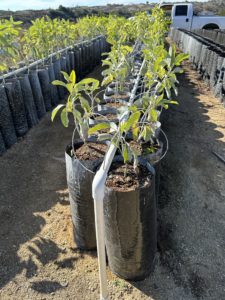 Plant Bags
These flexible containers are very effective for a large variety of plant species including young trees.
As such, they support proper drainage, root health, and easily form the shape of traditional nursery containers.
Seed Bags
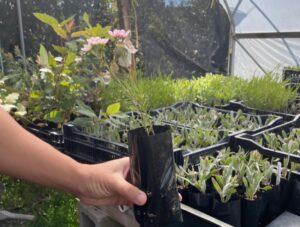 These smaller-sized grow bags are well suited for seeds, seedlings, and grafts in early growth stages.
With their unique elongated shape, they stimulate fibrous root development and at the same time, prevent root rot. Another benefit of seed bags is that cultivators can stack them against each other in crates, therefore saving space while keeping them in upright position.
Tree Sleeves
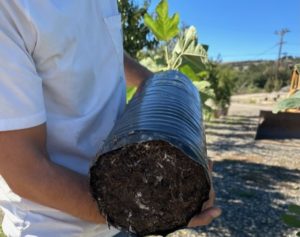 Plant sleeves are made from thicker, more durable material, making them well suited for larger plants and small trees.
Instead of a traditional pot design, these containers stay open on both ends, forming a sleeve that helps plants grow upright and protected.
Benefits of Flexible Grow Bags:
1. Cost-Effective Alternative to Rigid Containers

Because plastic grow bags ship flat and take up less space, they cost less to transport and store than rigid containers.
That’s what makes them an efficient, cost-effective option for large nursery and greenhouse operations.
2. Healthy Root Development
Nursery bags support strong root systems by allowing roots to spread naturally. When designed with vent or drainage holes, they help reduce root circling, improve airflow, and enhance water drainage.
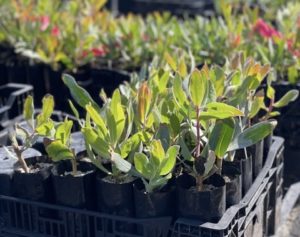 3. Maximize Growing Space
Because they conform to the growing medium, flexible grow bags make better use of bench, crate, and field space.
This allows nurseries to increase plant density without compromising plant health.
4. Customizable for Specific Conditions
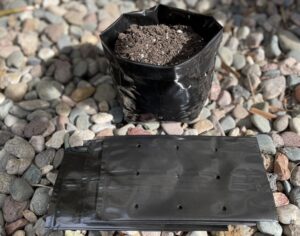
TDI Custom Packaging offers nursery bags in a wide range of sizes, thicknesses, and colors.
You can also customize features like vent holes and drainage patterns to match specific growing needs.
Our flexible containers are very lightweight, so they’re easy to handle and move. You’ll have the option to choose a heavier material, if needed.
5. Durable for Greenhouse and Outdoor Use
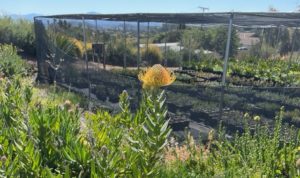
TDI’s high-quality plastic grow bags are designed for indoor greenhouse as well as outdoor usage.
Not only do they help retain moisture, but they also support plants across a wide range of growing conditions, especially in the field.
6. Recyclable Grow Bags
Another benefit of flexible containers is that they are recyclable, helping growers meet sustainability goals while maintaining performance and durability.
“After more than 40 years of usage, I see no reason to switch to another plant grow medium, especially since business is booming beyond expectations.” ~ owner of a successful protea nursery
Why Use Plastic Grow Bags?

It’s become evident that plastic is lightweight, durable, UV-resistant, and versatile. To manufacture poly material, it takes less energy than many other alternatives, while it’s often recyclable and reusable.
So clearly, nursery bags made from polyethylene support sustainability without compromising performance.
Article Plastics Europe about use of plastics in Agriculture >>

Grow Bags That Work For You
The bottom line is simple: TDI’s nursery bags support healthy, resilient plants, help keep costs down, and are backed by over 50 years of proven manufacturing expertise.
Free Quote